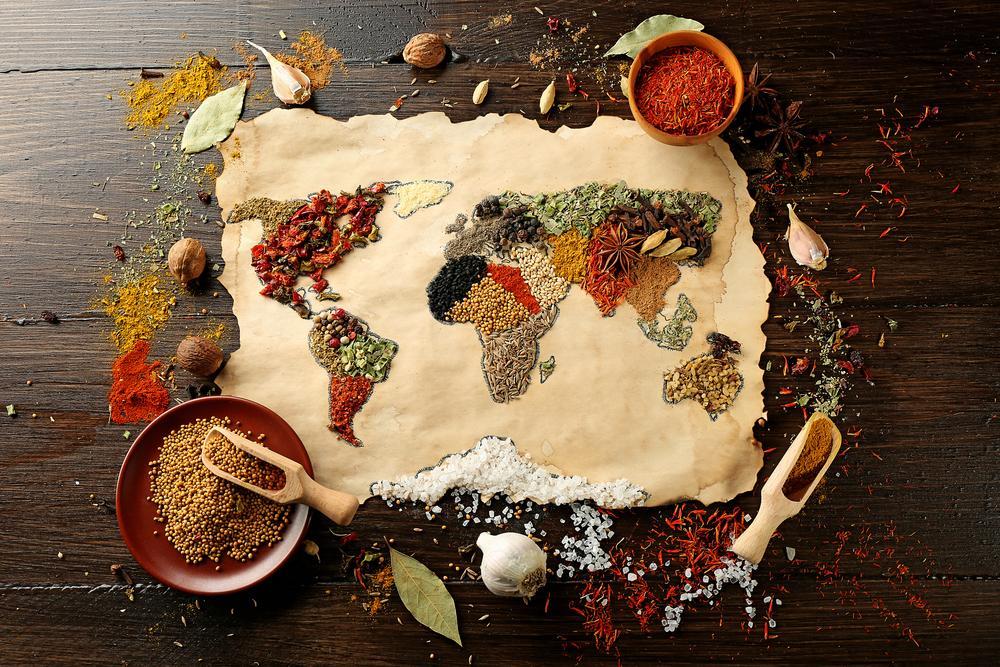
Cornering the Globe: Exploring Global Landscapes with The Corner Kitchen
Hey there, fellow wanderers and kitchen aficionados! Welcome aboard this journey where we fuse the thrill of globe-trotting adventures with the savory world of The Corner Kitchen. I'm Corner, your guide through the marvels of travel and the culinary wonders awaiting discovery in every corner of the world.
Embarking on a global escapade isn't just about ticking off destinations; it's an odyssey of flavors, cultures, and breathtaking sights. And what better way to complement these travels than with the culinary narratives spun by The Corner Kitchen? Picture this: strolling through the vibrant streets of Bangkok, the aroma of sizzling street food teasing your senses, and your mind buzzing with the spices of Thai cuisine. Back home, The Corner Kitchen unfolds its treasure trove of recipes, allowing you to recreate those tantalizing flavors in your own kitchen.
One of the most enthralling aspects of travel is the immersion in diverse cultures. The Corner Kitchen blog mirrors this, offering a passport to global cuisines, sharing stories, recipes, and tips to recreate authentic dishes. As I wander across continents, I find myself drawn not only to the iconic landmarks but also to the local markets, where the heartbeat of a city thrives. These bustling hubs brim with fresh produce, exotic spices, and the essence of a culture waiting to be explored—a sentiment echoed in the vivid recipes and culinary tales shared by The Corner Kitchen.
Just as each new destination presents a palette of experiences, The Corner Kitchen unveils a tapestry of flavors. Whether it's the tangy zest of ceviche from Peru or the comforting warmth of a Moroccan tagine, these recipes are more than just culinary instructions—they're gateways to experience the essence of a place, a bite that transcends geographical boundaries, and a culinary journey encapsulated in every dish.
Moreover, the synergy between travel and The Corner Kitchen extends beyond flavors—it's about fostering connections. Traveling isn't just about sightseeing; it's about mingling with locals, hearing their stories, and sharing moments over a meal. Similarly, The Corner Kitchen blog fosters a community of food enthusiasts, encouraging dialogue, sharing experiences, and creating a virtual table where stories are exchanged, recipes are cherished, and a love for global cuisines unites us all.
As I explore the nooks and crannies of this world, I'm constantly reminded of the parallel between the adventure of discovering new vistas and the joy of unearthing fresh culinary delights. Each encounter, whether with a breathtaking landscape or a mouthwatering recipe, contributes to the tapestry of experiences that enrich our lives.
So, dear fellow travelers and foodies, join me as we embark on a whirlwind tour, discovering the world's hidden gems and savoring the diverse flavors curated by The Corner Kitchen. Let's create memories, share stories, and celebrate the magic of exploration—one recipe at a time. After all, isn't it true that the best way to understand a culture is through its food? Cheers to the journey ahead—filled with adventure, flavors, and the joy of discovery!